



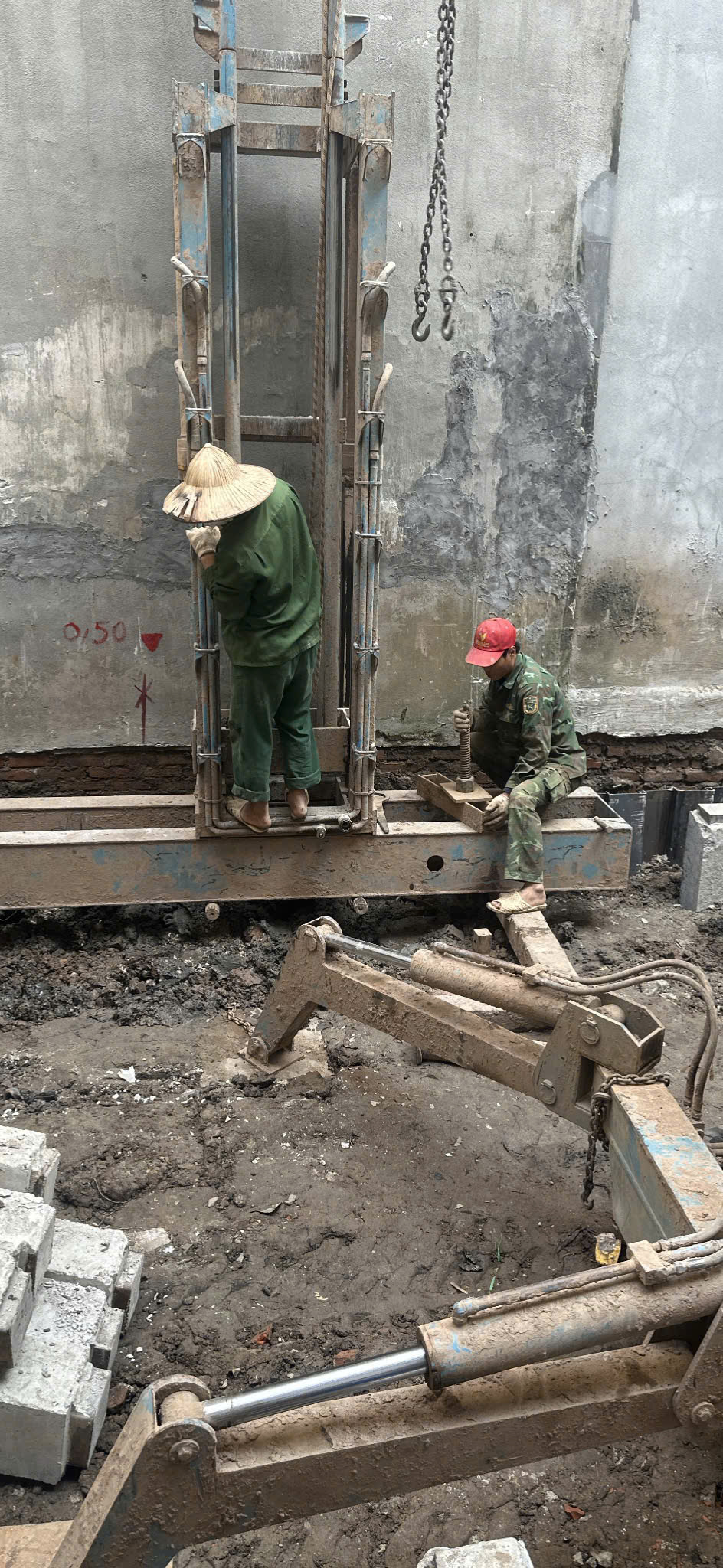
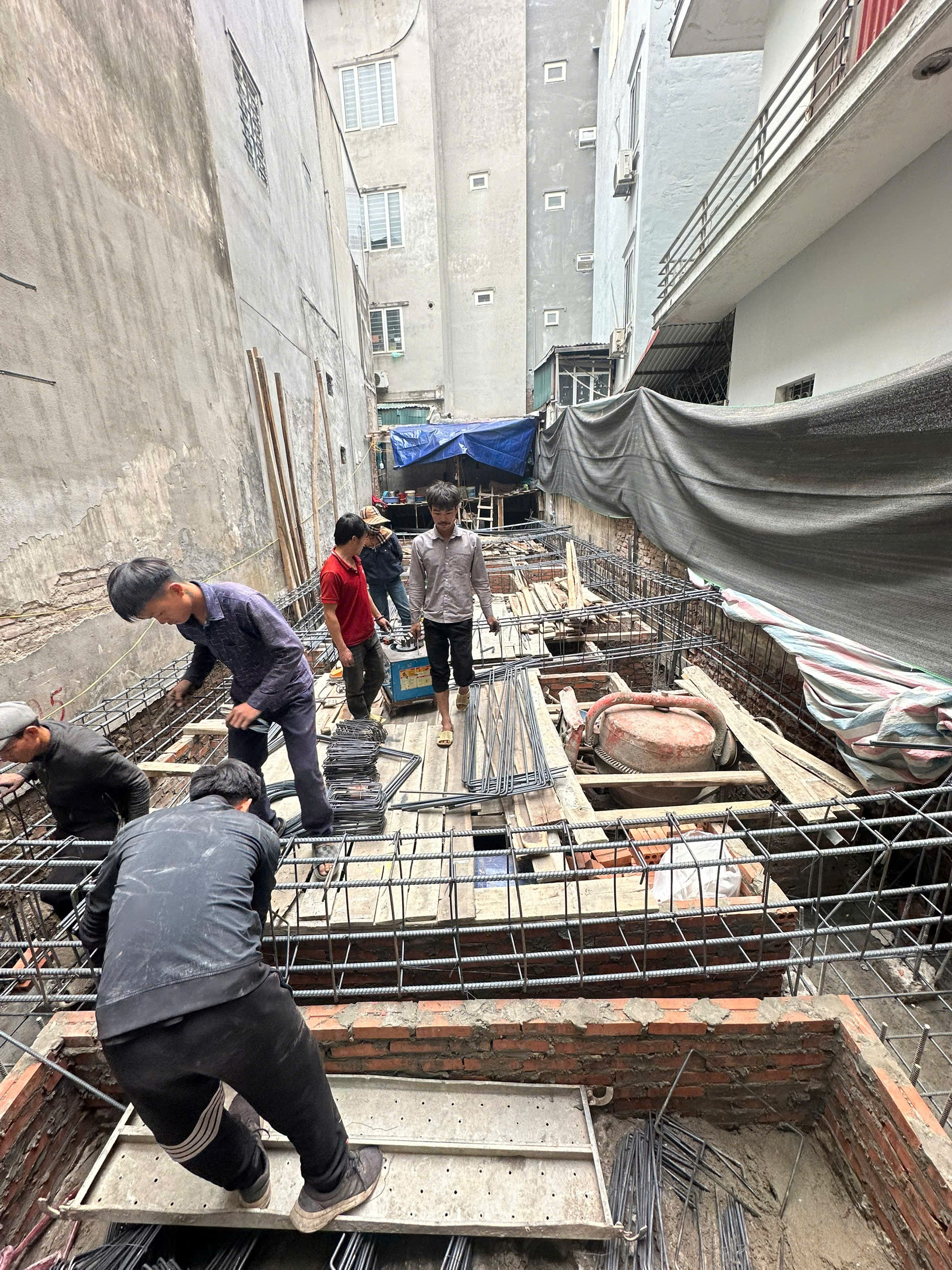
At 18, my world turned upside down when the pandemic forced me back to Vietnam, shattering my plans to study abroad. Trapped in an unprepared reality, I spiraled into a deep sense of aimlessness and mental exhaustion. In this darkness, my parents threw me a lifeline: managing a specific segment of our family business. I began from ground zero. Guided step by step through complex legal paperwork and bank financing, it took months of intense learning and trial and error before I could handle critical operational risks completely on my own.
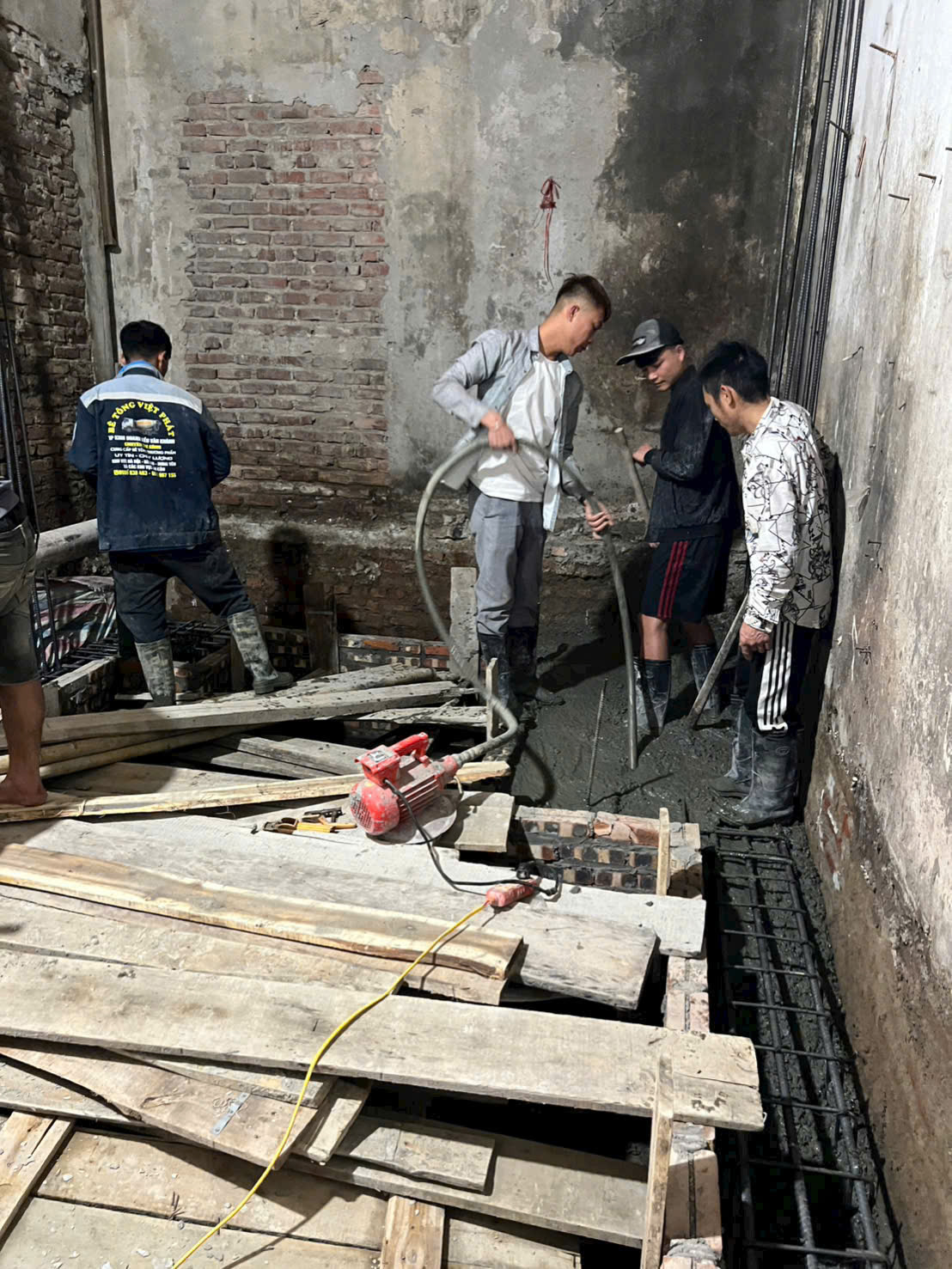
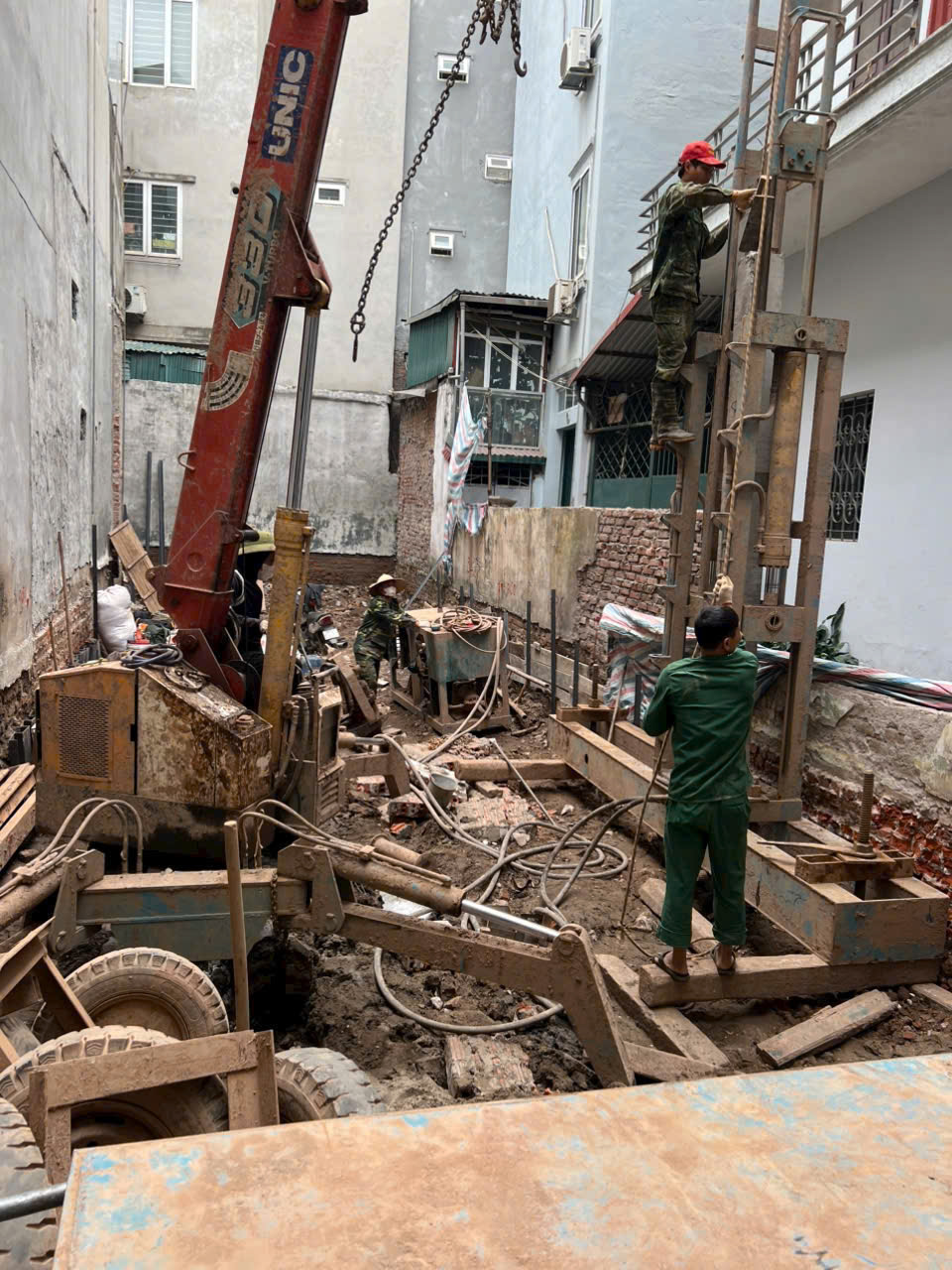
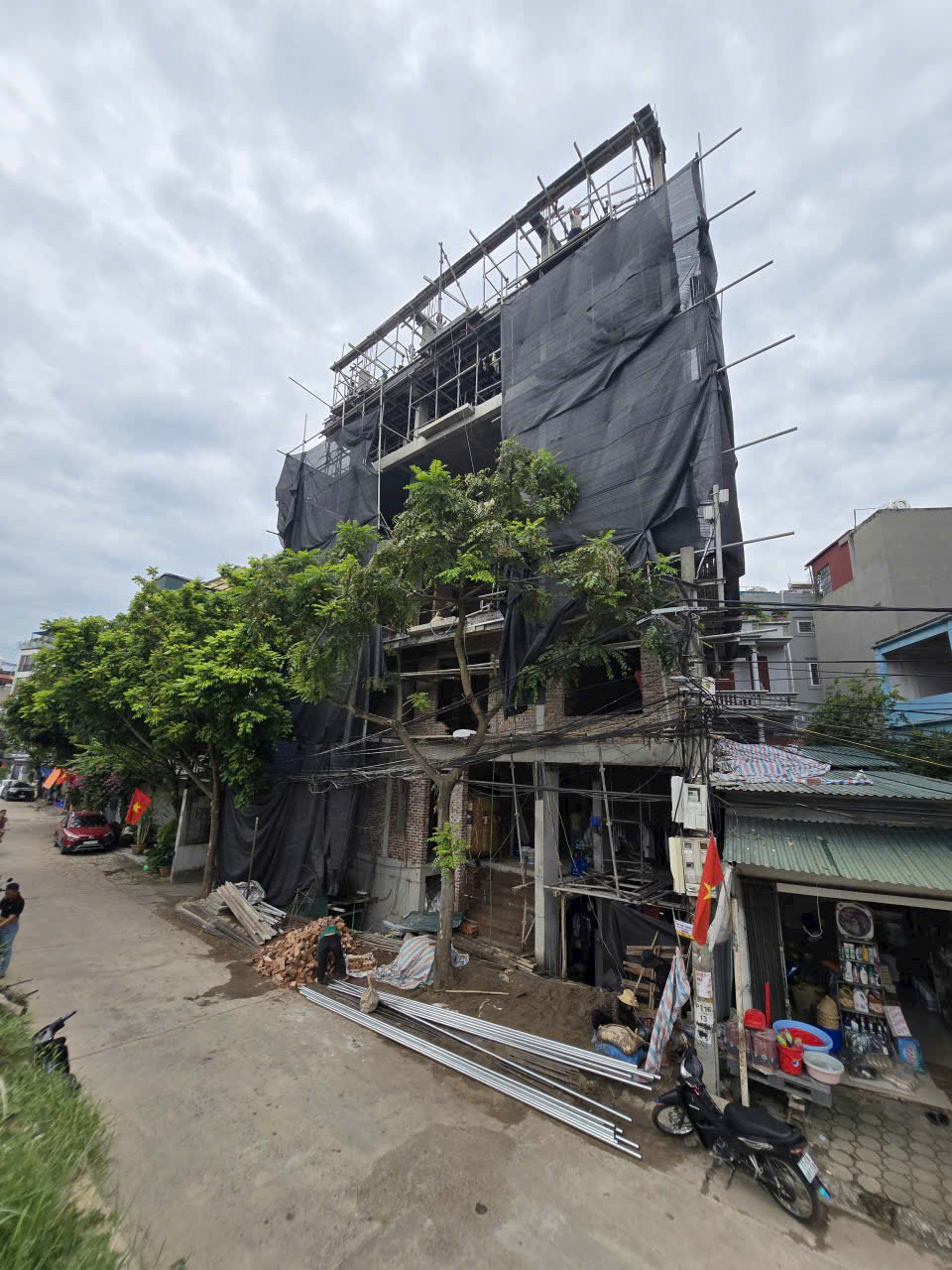
But that growth came with a heavy emotional toll. While my friends enjoyed carefree university lives, I felt profoundly isolated. None of my peers could understand the crushing pressure I carried. In real estate, every decision, whether directly related to work or not, carried a heavy weight and could lead to huge financial consequences. This high-stakes responsibility left me under immense stress. Yet, walking through our construction sites alone at night, my loneliness turned into clarity. I finally saw the true depth of my parents' sacrifices, and I knew I was ready to protect what they had built.
Managing a multi-generational business naturally brought friction, and I often clashed with my parents' traditional methods. For instance, when I proposed modern updates to our apartment layouts, my father was highly hesitant. At first, I thought he was just being rigid. But after several heated arguments, I had a major realization: every change comes with a price tag. My parents weren't resisting innovation; they were protecting our financial stability from unforeseen risks that might not be cost-effective.
This shifted my approach from aggressive pushing to "gentle persistence." Instead of just talking, I brought my father out to the field, showed him market trends, and presented data-driven arguments that factored in actual costs. We found a middle ground, creating a balance between two generations by combining the energy of modern innovation with the wisdom of solid experience. It taught me that modernizing doesn't mean replacing everything; it means enhancing our strong foundation while keeping a strict eye on financial reality.
While the friction in our daily decisions never truly disappears, I have come to see it differently. What once felt like a restriction is often the result of decades of experience, sacrifice, and responsibility that I am only beginning to understand. Looking at my parents today, I realize they are approaching a stage of life where they deserve to slow down. Yet, letting go of a business they spent decades weathering harsh storms to build is never easy.
Rather than pushing for sudden change, I hope to earn greater responsibility one step at a time by taking full ownership of a smaller project from beginning to end. By bearing the consequences of every decision myself, I can continue learning while building the trust needed for a successful transition. My goal is not to replace the generation before me, but to become someone worthy of continuing what they built. If one day my parents can step back with peace of mind, knowing their life's work is in capable hands, that will be the achievement I am most proud of.
But that growth came with a heavy emotional toll. While my friends enjoyed carefree university lives, I felt profoundly isolated. None of my peers could understand the crushing pressure I carried. In real estate, every decision, whether directly related to work or not, carried a heavy weight and could lead to huge financial consequences. This high-stakes responsibility left me under immense stress. Yet, walking through our construction sites alone at night, my loneliness turned into clarity. I finally saw the true depth of my parents' sacrifices, and I knew I was ready to protect what they had built.
Managing a multi-generational business naturally brought friction, and I often clashed with my parents' traditional methods. For instance, when I proposed modern updates to our apartment layouts, my father was highly hesitant. At first, I thought he was just being rigid. But after several heated arguments, I had a major realization: every change comes with a price tag. My parents weren't resisting innovation; they were protecting our financial stability from unforeseen risks that might not be cost-effective.
This shifted my approach from aggressive pushing to "gentle persistence." Instead of just talking, I brought my father out to the field, showed him market trends, and presented data-driven arguments that factored in actual costs. We found a middle ground, creating a balance between two generations by combining the energy of modern innovation with the wisdom of solid experience. It taught me that modernizing doesn't mean replacing everything; it means enhancing our strong foundation while keeping a strict eye on financial reality.
While the friction in our daily decisions never truly disappears, I have come to see it differently. What once felt like a restriction is often the result of decades of experience, sacrifice, and responsibility that I am only beginning to understand. Looking at my parents today, I realize they are approaching a stage of life where they deserve to slow down. Yet, letting go of a business they spent decades weathering harsh storms to build is never easy.
Rather than pushing for sudden change, I hope to earn greater responsibility one step at a time by taking full ownership of a smaller project from beginning to end. By bearing the consequences of every decision myself, I can continue learning while building the trust needed for a successful transition. My goal is not to replace the generation before me, but to become someone worthy of continuing what they built. If one day my parents can step back with peace of mind, knowing their life's work is in capable hands, that will be the achievement I am most proud of.
