


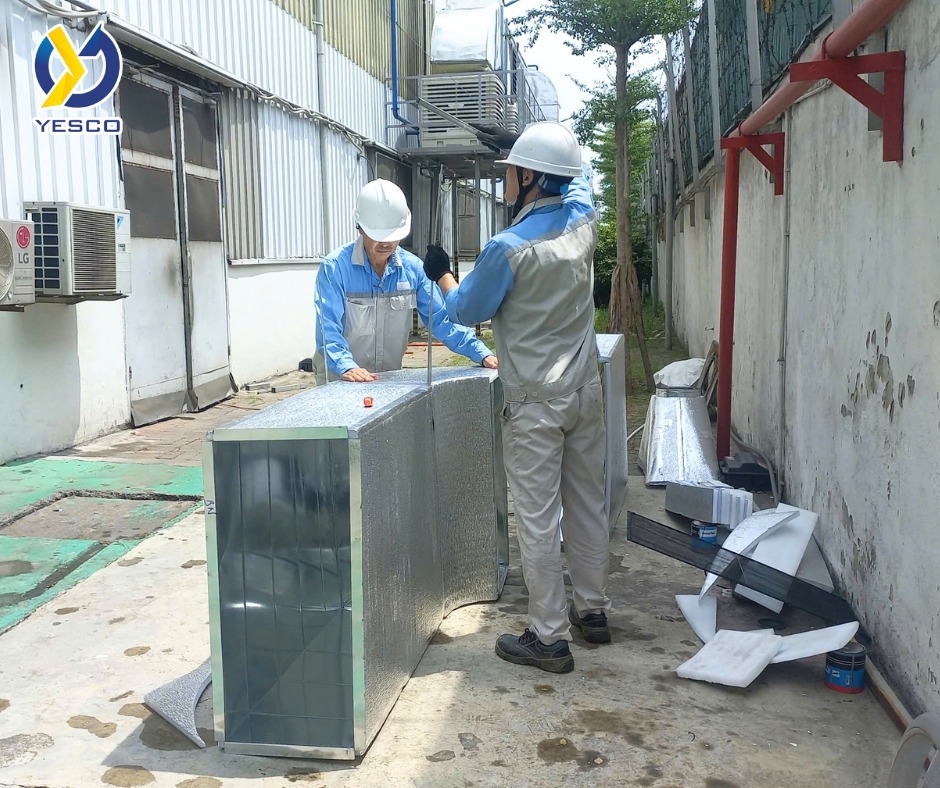
There were many ups and downs when I joined my family business. As a daughter of the owner, I also witnessed firsthand the hardships that came with running a company. I remember a time when our business was growing rapidly in both revenue and projects, and we needed to hire new technicians to keep up with our customers’ pace. I was in charge of recruitment, spending hours on Facebook, recruitment websites, and over 30 fan pages, as well as paid and free platforms. Despite all this effort, only a few candidates showed interest in our roles.
I went through every stage of the hiring process: screening, interviewing, negotiating salaries, and making final offers. Because our work required blue-collar workers, who could easily switch jobs if the waiting time was long, I tried to act as quickly as possible—even sending an offer at 10 pm. Yet, despite my efforts, a candidate canceled our offer right before their start date with a simple message: “I have found another job.” I remember feeling like all my hard work had been wasted.
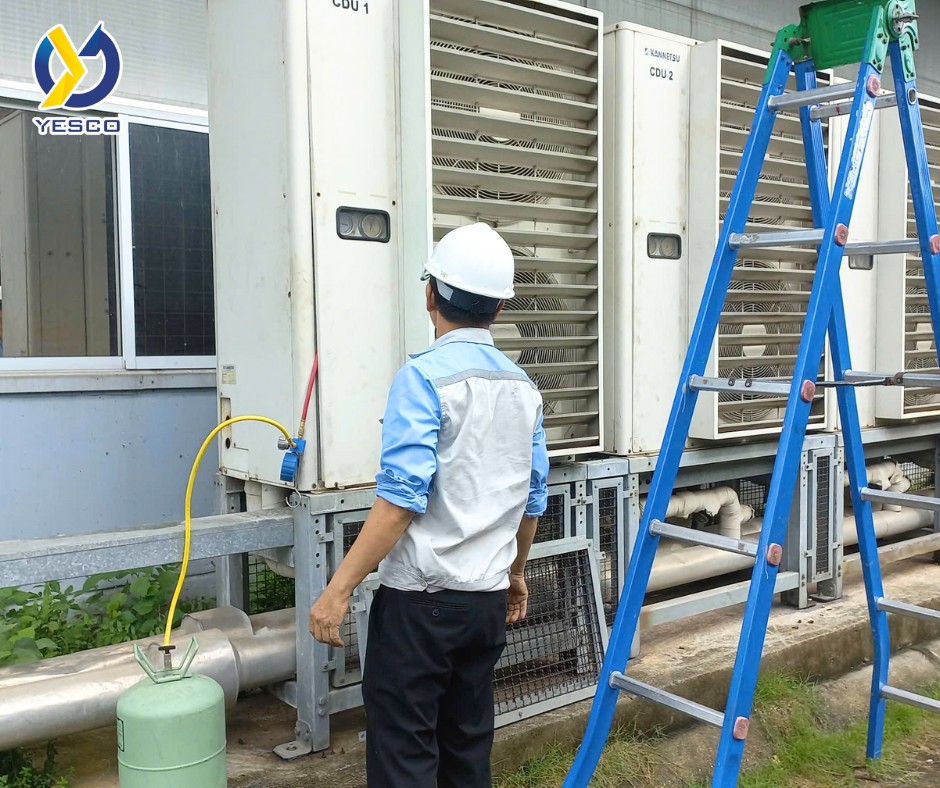
At that moment, my dad said to me: “Your task is only recruitment, but I have witnessed more complicated problems since building this company.” It was then that I truly understood the effort he had invested in building the business. I began to appreciate the early morning phone calls with employees about the day’s plan, the emergency calls from customers complaining about technical problems, and the long days working in the heat with just a simple meal to meet deadlines.
They faced countless obstacles along the way, yet they never gave up when things got hard. That simple sentence from my dad made me realize how much I admire what he has built and the resilience it took to get there.
As a person in charge of employer branding for our company, I had the privilege of listening to employee testimonials. I remember an electrical technician saying that he could find another job that paid more than ours, yet he chose to stay because the CEO is not only a boss but also someone he can turn to for personal advice, someone older who provides wise guidance about life.
The second story is about a mechanical technician. At first, he was expected to lead the team; however, he became frustrated with his colleagues and even left the site when an argument escalated. The general manager considered firing him at that time. However, my dad wanted to give him an opportunity and went to speak with him in person. He explained that our purpose is not just about money but also about collaboration, and proposed practical methods for leading, delegating tasks, and motivating colleagues.
This man took the advice to heart, and later became the person who works until 3 am for the company. He later expressed his appreciation to my dad for the wise guidance, which enabled him to motivate and manage the team effectively on his own.
As an SME, we have many areas for improvement, and RMIT’s knowledge has helped me develop systemic solutions. In the past, I learned about the Customer Journey Map framework, which enabled me to analyze our current workflow and identify obstacles in order to improve processes.
As a student minoring in Digital Marketing, I took a Digital Business Development course in my first year. This allowed me to upload content to the company’s website aligned with Search Engine Optimization (SEO), driving more traffic and attracting potential customers. As a result, our company has been approached by well-established firms, including both FDI and domestic manufacturing companies.
I went through every stage of the hiring process: screening, interviewing, negotiating salaries, and making final offers. Because our work required blue-collar workers, who could easily switch jobs if the waiting time was long, I tried to act as quickly as possible—even sending an offer at 10 pm. Yet, despite my efforts, a candidate canceled our offer right before their start date with a simple message: “I have found another job.” I remember feeling like all my hard work had been wasted.
At that moment, my dad said to me: “Your task is only recruitment, but I have witnessed more complicated problems since building this company.” It was then that I truly understood the effort he had invested in building the business. I began to appreciate the early morning phone calls with employees about the day’s plan, the emergency calls from customers complaining about technical problems, and the long days working in the heat with just a simple meal to meet deadlines.
They faced countless obstacles along the way, yet they never gave up when things got hard. That simple sentence from my dad made me realize how much I admire what he has built and the resilience it took to get there.
As a person in charge of employer branding for our company, I had the privilege of listening to employee testimonials. I remember an electrical technician saying that he could find another job that paid more than ours, yet he chose to stay because the CEO is not only a boss but also someone he can turn to for personal advice, someone older who provides wise guidance about life.
The second story is about a mechanical technician. At first, he was expected to lead the team; however, he became frustrated with his colleagues and even left the site when an argument escalated. The general manager considered firing him at that time. However, my dad wanted to give him an opportunity and went to speak with him in person. He explained that our purpose is not just about money but also about collaboration, and proposed practical methods for leading, delegating tasks, and motivating colleagues.
This man took the advice to heart, and later became the person who works until 3 am for the company. He later expressed his appreciation to my dad for the wise guidance, which enabled him to motivate and manage the team effectively on his own.
As an SME, we have many areas for improvement, and RMIT’s knowledge has helped me develop systemic solutions. In the past, I learned about the Customer Journey Map framework, which enabled me to analyze our current workflow and identify obstacles in order to improve processes.
As a student minoring in Digital Marketing, I took a Digital Business Development course in my first year. This allowed me to upload content to the company’s website aligned with Search Engine Optimization (SEO), driving more traffic and attracting potential customers. As a result, our company has been approached by well-established firms, including both FDI and domestic manufacturing companies.
