

Before joining my family’s construction business as a second-generation member, I had studied and worked in Hanoi and Ho Chi Minh City, including a position at a large bank. Returning home meant leaving a stable career and a professional environment I knew well. What ultimately attracted me was the opportunity to solve practical business problems and contribute directly to the company’s development.
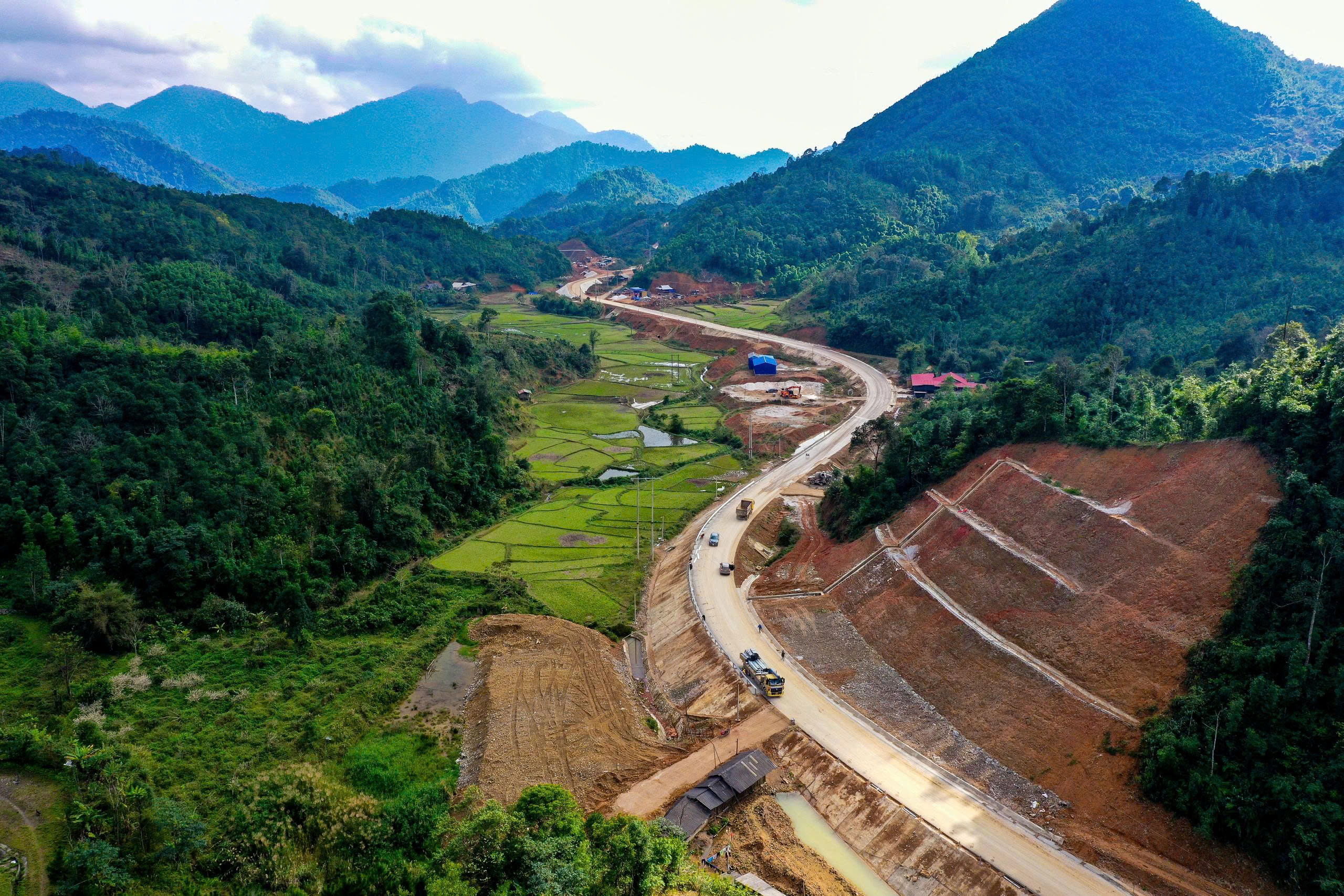
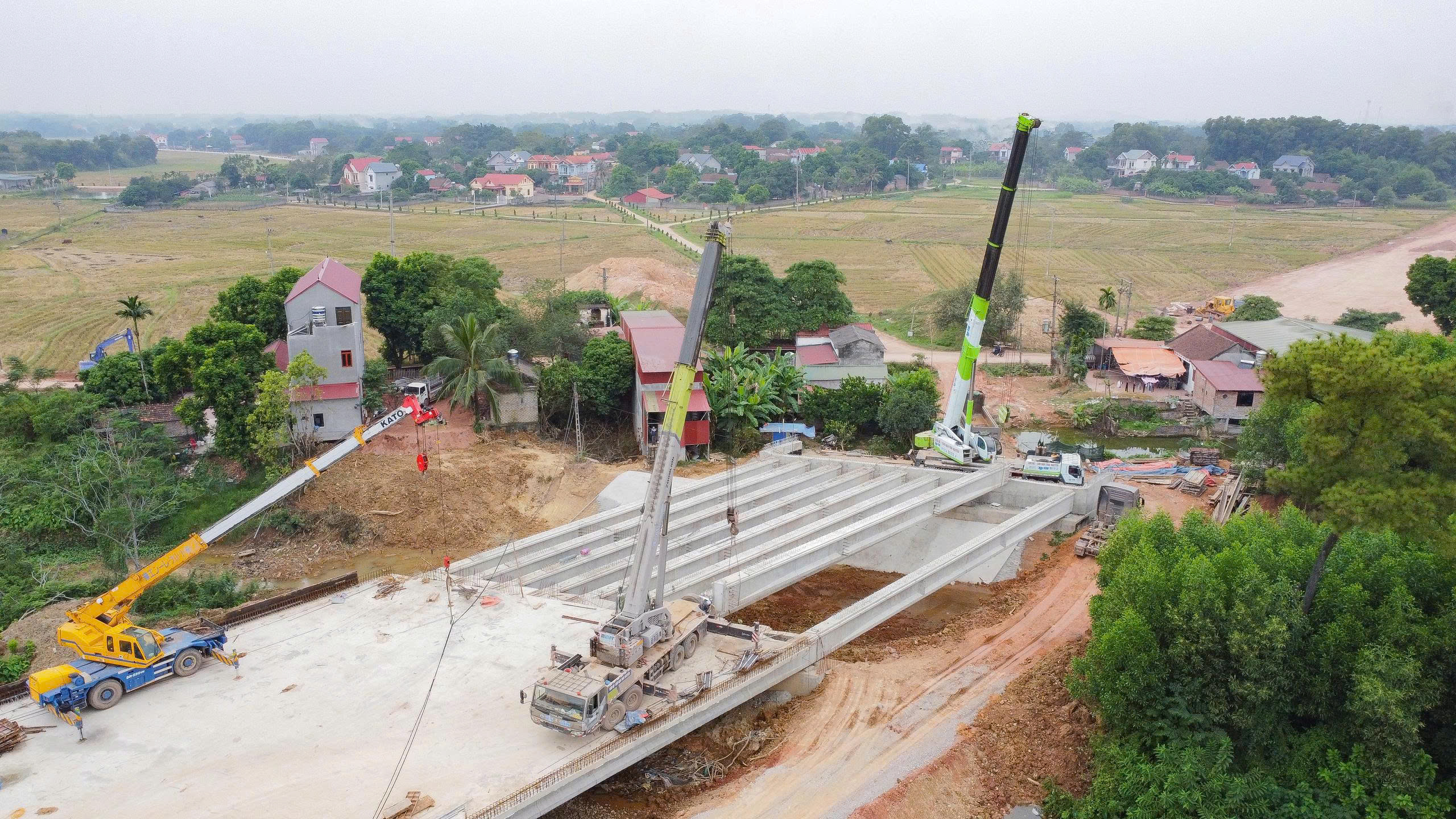
When I joined, I saw how much the previous generation had built through experience, trust, and hard work. Direct communication and flexible decisions had helped the company grow. However, as the business expanded to more projects, construction sites, employees, and equipment, these methods became harder to maintain. Information could arrive late, making it difficult to monitor costs, coordinate resources, and identify inefficiencies early.
I began to see where I could contribute: improving processes and applying technology to support better cost control. Rather than focusing on expansion alone, I wanted us to examine how we worked every day. Could information move faster between construction sites and the office? Could more consistent reporting help us understand project costs and use equipment more efficiently? These questions shaped the changes I wanted to introduce.
My proposed approach was to standardize essential workflows and gradually use digital tools to collect and organize operational data. Clearer information on project progress, expenses, cash flow, and resource utilization could help managers identify problems sooner. My aim was to reduce duplicated work, unnecessary spending, and delays while giving people a clearer basis for decisions.
However, my ideas sometimes clashed with established practices. I was looking for consistent processes and measurable information, while the existing approach relied heavily on practical judgment and direct communication. I had to learn that introducing technology also meant understanding the habits and experience behind the way people worked.
Instead of trying to change everything at once, I chose a gradual approach. I learned to preserve flexibility where it was useful and introduce greater structure where the growing business needed it. I wanted data to strengthen practical judgment and make everyday decisions easier.
This experience has shaped my understanding of being part of the second generation. My contribution is to build on the foundation my family created by helping the company operate more efficiently and make better-informed decisions. For me, innovation begins with practical improvements: simpler processes, clearer information, and more careful use of resources. The challenge is to bring experience and technology together in a way that people can understand, trust, and sustain.
When I joined, I saw how much the previous generation had built through experience, trust, and hard work. Direct communication and flexible decisions had helped the company grow. However, as the business expanded to more projects, construction sites, employees, and equipment, these methods became harder to maintain. Information could arrive late, making it difficult to monitor costs, coordinate resources, and identify inefficiencies early.
I began to see where I could contribute: improving processes and applying technology to support better cost control. Rather than focusing on expansion alone, I wanted us to examine how we worked every day. Could information move faster between construction sites and the office? Could more consistent reporting help us understand project costs and use equipment more efficiently? These questions shaped the changes I wanted to introduce.
My proposed approach was to standardize essential workflows and gradually use digital tools to collect and organize operational data. Clearer information on project progress, expenses, cash flow, and resource utilization could help managers identify problems sooner. My aim was to reduce duplicated work, unnecessary spending, and delays while giving people a clearer basis for decisions.
However, my ideas sometimes clashed with established practices. I was looking for consistent processes and measurable information, while the existing approach relied heavily on practical judgment and direct communication. I had to learn that introducing technology also meant understanding the habits and experience behind the way people worked.
Instead of trying to change everything at once, I chose a gradual approach. I learned to preserve flexibility where it was useful and introduce greater structure where the growing business needed it. I wanted data to strengthen practical judgment and make everyday decisions easier.
This experience has shaped my understanding of being part of the second generation. My contribution is to build on the foundation my family created by helping the company operate more efficiently and make better-informed decisions. For me, innovation begins with practical improvements: simpler processes, clearer information, and more careful use of resources. The challenge is to bring experience and technology together in a way that people can understand, trust, and sustain.
