


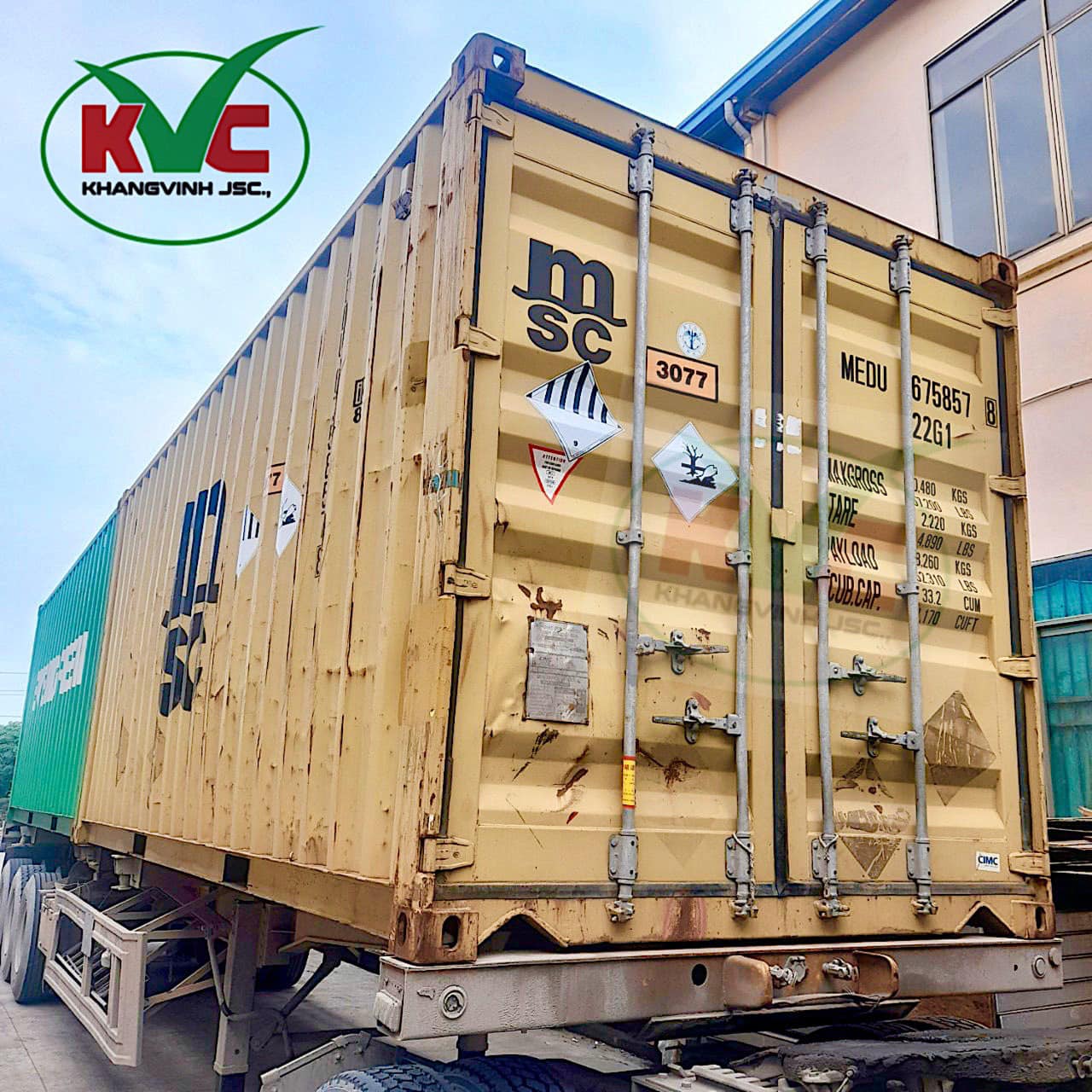
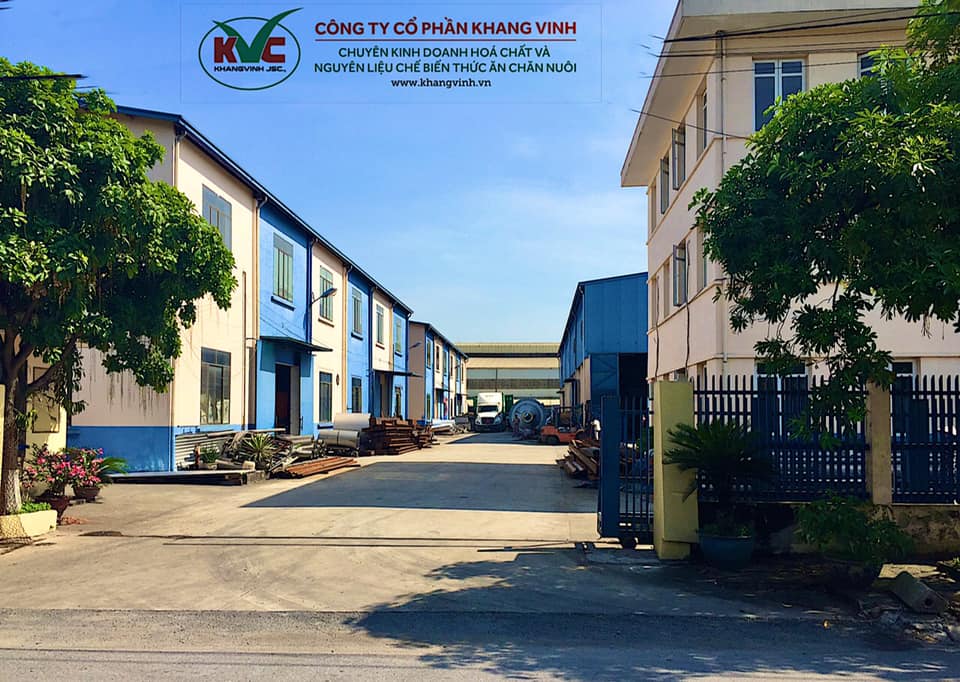
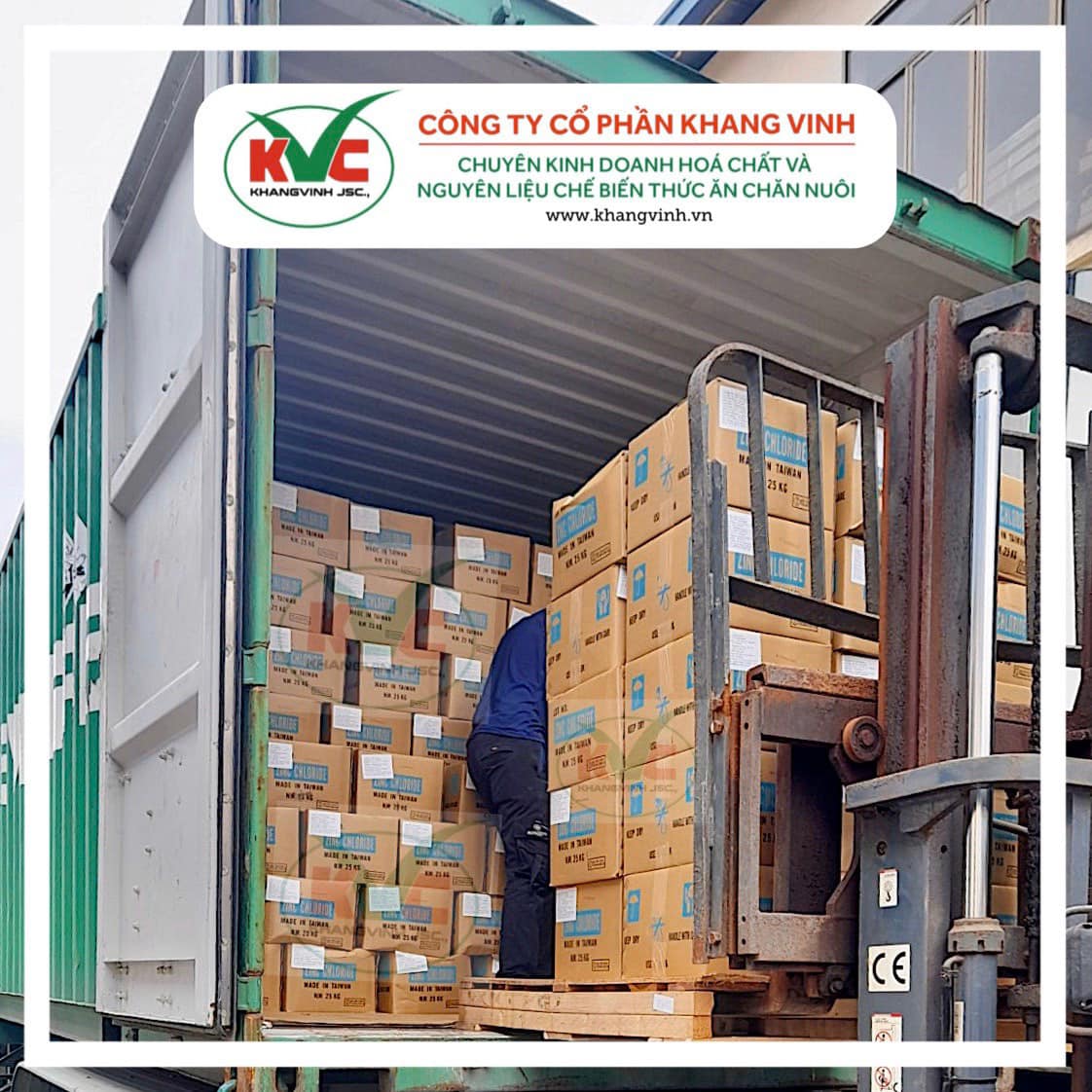
As a child, I often went to our warehouse and office after school. I remember trucks coming in and out, chemicals stacked high, and my parents constantly talking with customers and suppliers. Back then, it was simply the world I grew up in, familiar, busy, and very much my family’s. I never imagined that one day, this little kid would have to step into that world and find his own place in it.
To many people, I was simply “the owner’s son.” Some employees had worked with my parents since I was still in elementary school, long before I understood how the world worked. I could feel the questions no one said out loud: Could I really do the job? Could I make the right decisions under pressure? Most importantly, could they trust me?
A title on paper could not answer those questions. My actions had to. Trust had to be built through the work, the decisions I made, and by standing alongside the people around me. I spent more time with those who knew the company better, working through problems, handling difficult orders, finding new suppliers, and negotiating prices. When things did not go as planned, the consequences had to be faced rather than passed on.
Then, something started to change. Little by little, more hands were working alongside me. More eyes were looking in the same direction, not looking at me. That was when I realised I was no longer just the owner’s son. I had become part of the family business.
One of the biggest differences between my generation and my parents’ was how we looked at suppliers. My parents trusted relationships built over many years, while I wanted to explore new markets and find more competitive sources. At first, our views sometimes clashed. Behind those differences was a deeper question of trust: could I introduce new ways of working without putting at risk what my parents had built?
I learned that trust had to work both ways. I had to show my parents that new suppliers could strengthen, not replace, the relationships they valued. By carefully assessing their quality, reliability, capacity, and long-term risks, we expanded our sourcing network while preserving the relationships that built the company’s foundation. As the results spoke for themselves, trust grew.
The moment I truly felt I belonged came quietly. At first, when problems arose, some senior employees would still go directly to my father. Later, they started coming to me first, asking what I thought, discussing difficult decisions, and trusting me to take responsibility. No one told me I had earned their trust. I simply noticed that their behaviour had changed.
That was when I understood what I had chosen to stay for. I was not just inheriting a business. I was inheriting relationships, experience, and a reputation my parents had spent more than two decades building, and the trust behind it.
To me, carrying on a family business is not about keeping everything unchanged. It is about respecting what came before, having the courage to improve what needs to change, and earning the trust to carry it forward, leaving the next generation something stronger than what I received.
To many people, I was simply “the owner’s son.” Some employees had worked with my parents since I was still in elementary school, long before I understood how the world worked. I could feel the questions no one said out loud: Could I really do the job? Could I make the right decisions under pressure? Most importantly, could they trust me?
A title on paper could not answer those questions. My actions had to. Trust had to be built through the work, the decisions I made, and by standing alongside the people around me. I spent more time with those who knew the company better, working through problems, handling difficult orders, finding new suppliers, and negotiating prices. When things did not go as planned, the consequences had to be faced rather than passed on.
Then, something started to change. Little by little, more hands were working alongside me. More eyes were looking in the same direction, not looking at me. That was when I realised I was no longer just the owner’s son. I had become part of the family business.
One of the biggest differences between my generation and my parents’ was how we looked at suppliers. My parents trusted relationships built over many years, while I wanted to explore new markets and find more competitive sources. At first, our views sometimes clashed. Behind those differences was a deeper question of trust: could I introduce new ways of working without putting at risk what my parents had built?
I learned that trust had to work both ways. I had to show my parents that new suppliers could strengthen, not replace, the relationships they valued. By carefully assessing their quality, reliability, capacity, and long-term risks, we expanded our sourcing network while preserving the relationships that built the company’s foundation. As the results spoke for themselves, trust grew.
The moment I truly felt I belonged came quietly. At first, when problems arose, some senior employees would still go directly to my father. Later, they started coming to me first, asking what I thought, discussing difficult decisions, and trusting me to take responsibility. No one told me I had earned their trust. I simply noticed that their behaviour had changed.
That was when I understood what I had chosen to stay for. I was not just inheriting a business. I was inheriting relationships, experience, and a reputation my parents had spent more than two decades building, and the trust behind it.
To me, carrying on a family business is not about keeping everything unchanged. It is about respecting what came before, having the courage to improve what needs to change, and earning the trust to carry it forward, leaving the next generation something stronger than what I received.
