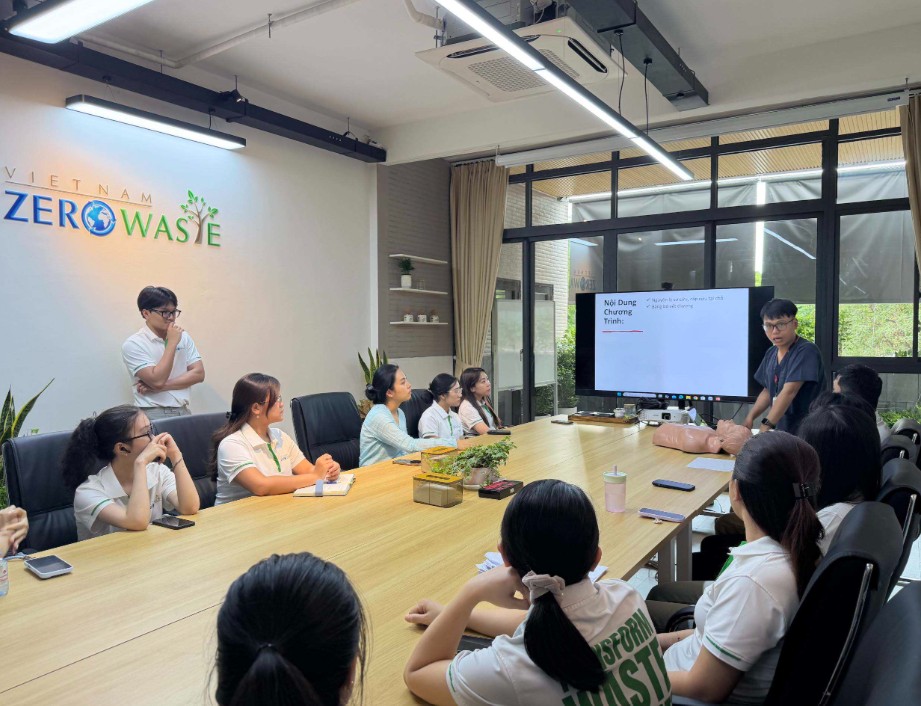

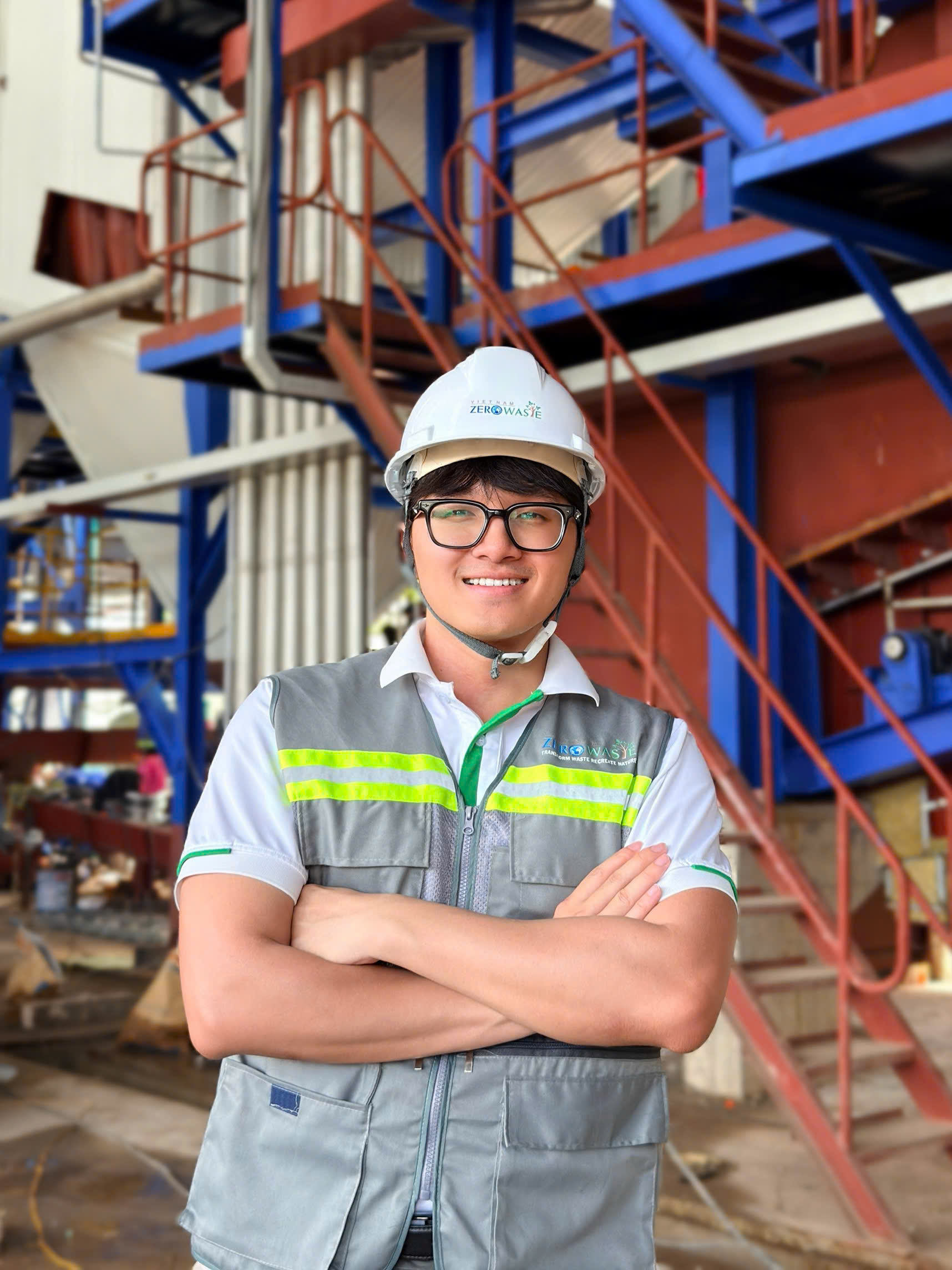

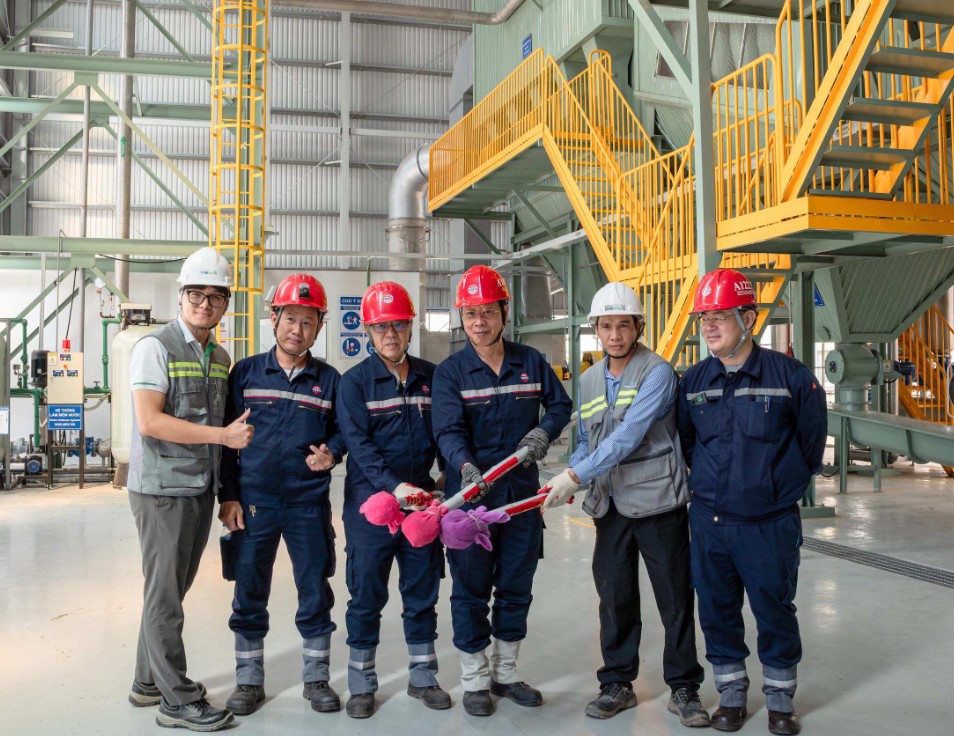
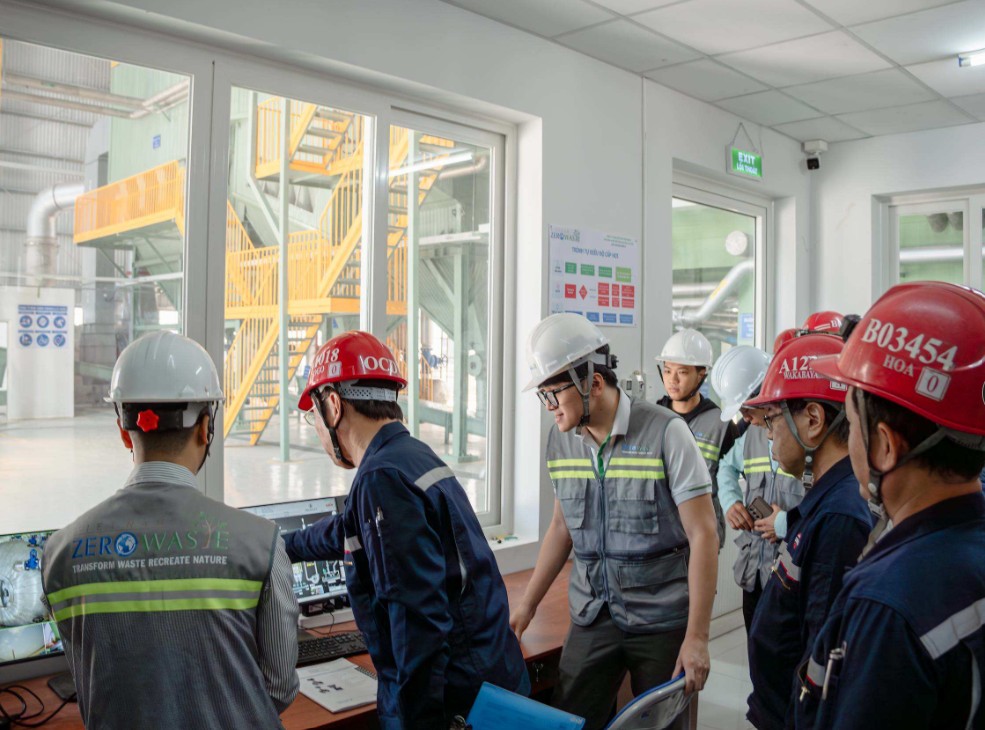
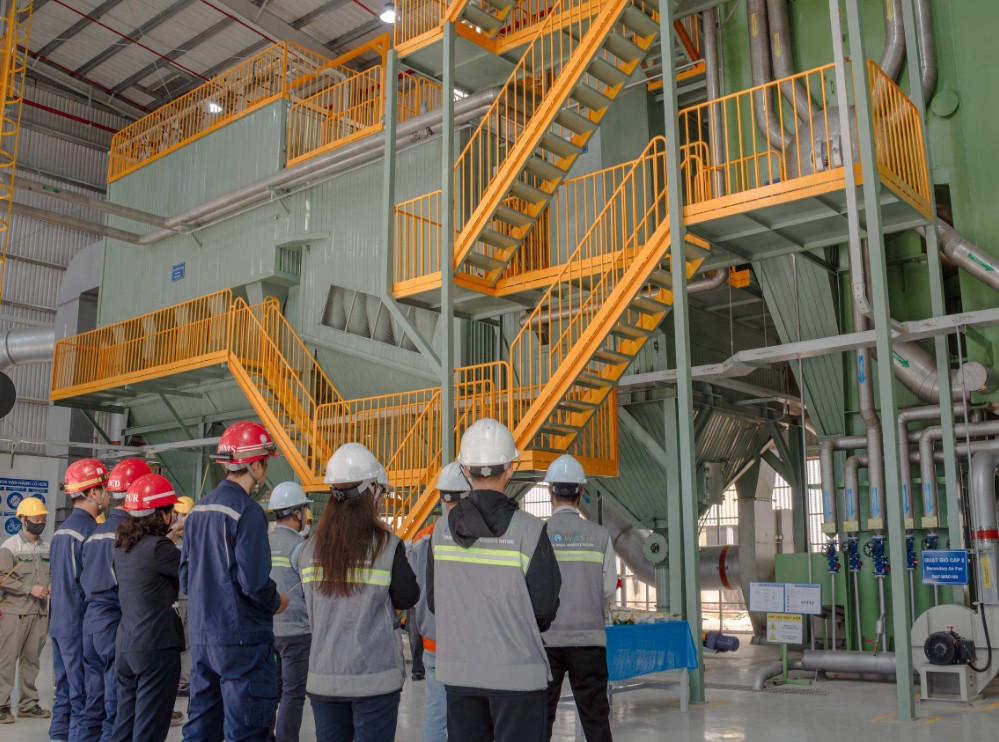
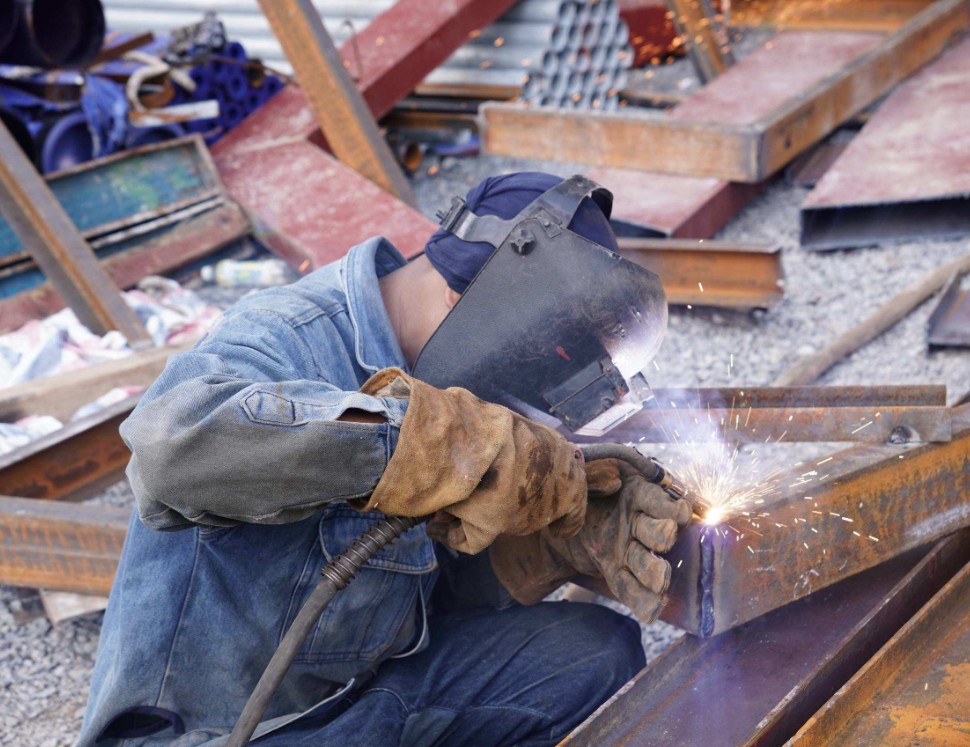
"I grew up around steel, steam, and the smell of welding. Vietnam Zerowaste was never just my parents' company; it was the dinner-table conversation, the weekend factory visits. My real start, though, was as an intern while I was still a student at RMIT. I joined the sales and marketing team, and I still remember the pride of closing my first projects and realizing I could actually bring in business. But the defining moment came right after I graduated, when the company was shaken by a major change in its leadership team. Watching everything my parents had built suddenly at risk, I knew I couldn't stay on the sidelines. That was the moment I chose to step in for real, and I have been helping run the company ever since.
When I first stepped in, almost everything ran on paper: task management, reports, and approval documents, with no online records. My first real push was digital: I rolled out Microsoft's business management tools so that production and reporting data could sync online, and everyday workflows like approvals and shift reports could run smoothly from end to end. Senior staff were used to the old paper-based way, so the change took patience, but once the first reports came through in real time, the value was undeniable. I also reshaped how we work with FDI clients, adapting to international standards and expectations, which opened the door for us to win a series of projects with foreign partners.
Vietnam is raising its environmental standards toward those of developed nations, with stricter limits on emissions and wastewater, and real accountability for sustainability. For manufacturers, that creates a genuine tension: how do you grow greener while protecting your cost competitiveness and hard-won technical expertise? At the same time, the country's industrial growth is accelerating, and energy demand is rising right alongside it. Sustainable energy is no longer optional. It's the foundation on which the next decade of Vietnamese industry will be built. I want Vietnam Zerowaste to be part of that answer: helping factories run cleaner and more affordably on their own agricultural and industrial residues, turning ""waste"" into a competitive advantage rather than a compliance burden. And I believe family businesses like ours have a special role to play. We think in generations, not quarters, and we are patient enough to invest in sustainability, rooted enough to keep skills and trust alive across decades. My hope is that a Vietnamese family business can show the world that doing things responsibly and staying competitive are not opposites, but the same path forward."
When I first stepped in, almost everything ran on paper: task management, reports, and approval documents, with no online records. My first real push was digital: I rolled out Microsoft's business management tools so that production and reporting data could sync online, and everyday workflows like approvals and shift reports could run smoothly from end to end. Senior staff were used to the old paper-based way, so the change took patience, but once the first reports came through in real time, the value was undeniable. I also reshaped how we work with FDI clients, adapting to international standards and expectations, which opened the door for us to win a series of projects with foreign partners.
Vietnam is raising its environmental standards toward those of developed nations, with stricter limits on emissions and wastewater, and real accountability for sustainability. For manufacturers, that creates a genuine tension: how do you grow greener while protecting your cost competitiveness and hard-won technical expertise? At the same time, the country's industrial growth is accelerating, and energy demand is rising right alongside it. Sustainable energy is no longer optional. It's the foundation on which the next decade of Vietnamese industry will be built. I want Vietnam Zerowaste to be part of that answer: helping factories run cleaner and more affordably on their own agricultural and industrial residues, turning ""waste"" into a competitive advantage rather than a compliance burden. And I believe family businesses like ours have a special role to play. We think in generations, not quarters, and we are patient enough to invest in sustainability, rooted enough to keep skills and trust alive across decades. My hope is that a Vietnamese family business can show the world that doing things responsibly and staying competitive are not opposites, but the same path forward."
