

As a teenager, I once dreamed of becoming a fashion designer, but my parents grounded me in reality, showing me that creativity needs business understanding, which ultimately led me to pursue Finance at RMIT University. Throughout university, I considered between pursuing my own path and returning to the family business. I explored different paths in search of clarity - from working as a blog editor and experimenting the bean-to-bar chocolate process, to studying for the CFA and gaining experience at a financial advisory firm, wondering whether the unknown was where I would discover myself. It all started when my mother's friends wanted to buy our products online. I joined the business part-time to create social media content and launch our retail page. What seemed like a simple project became a turning point. I realized my parents’ business was a foundation to explore business management, amplify social impact, and build something greater than I could alone.
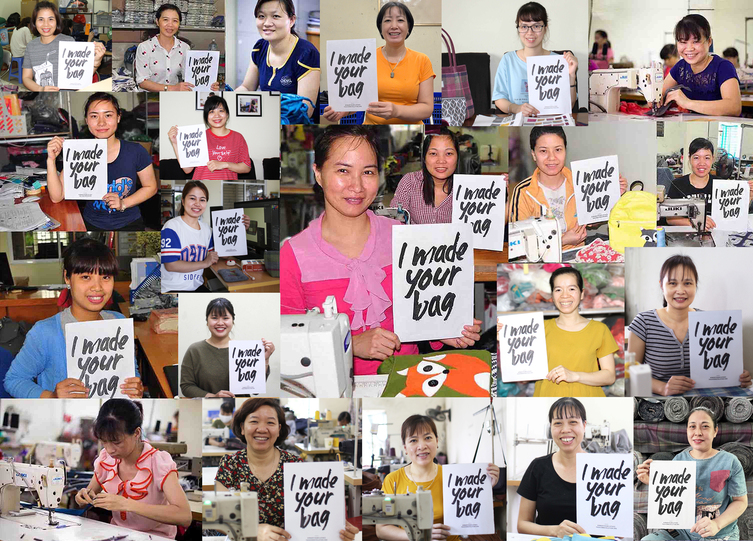
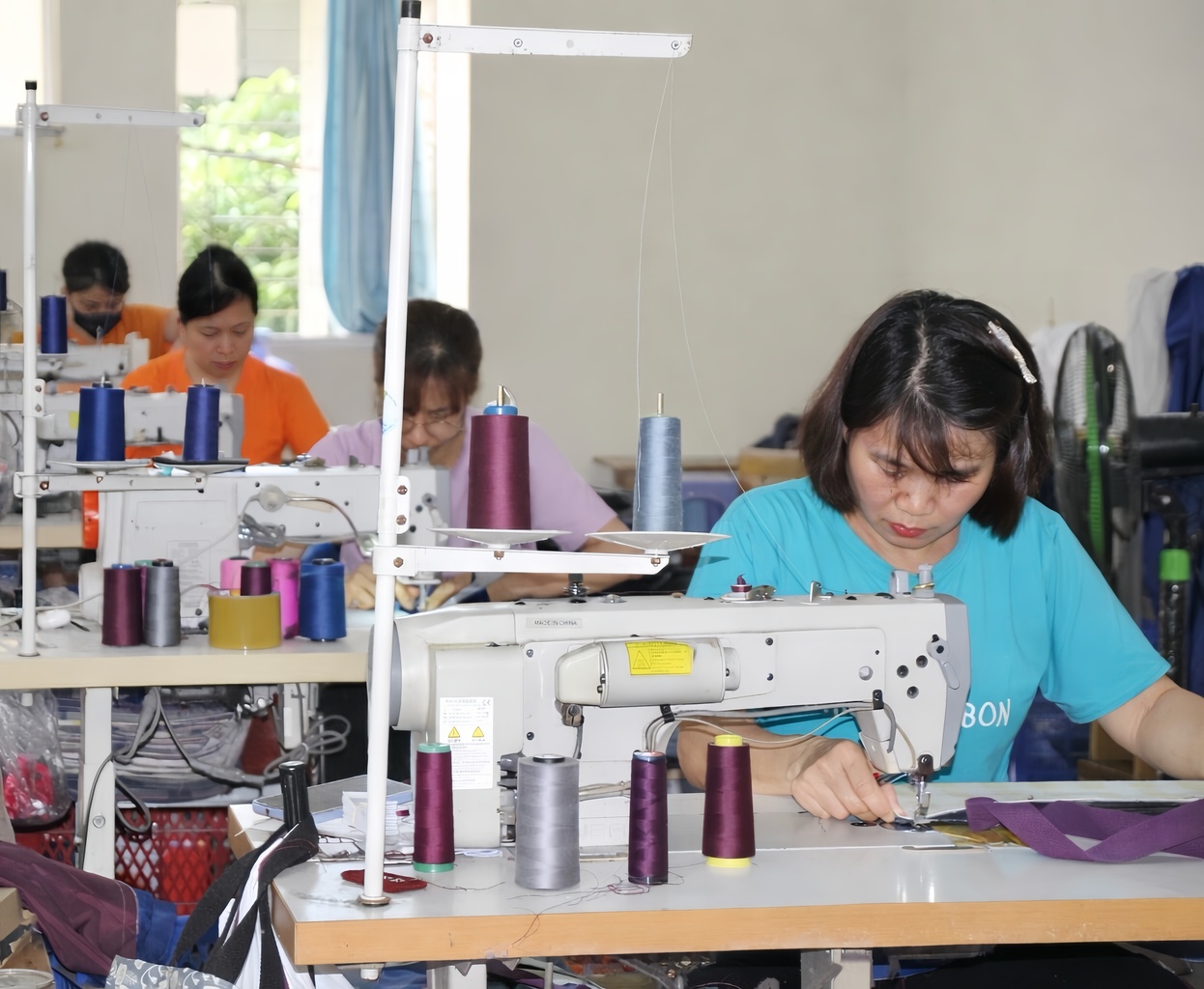
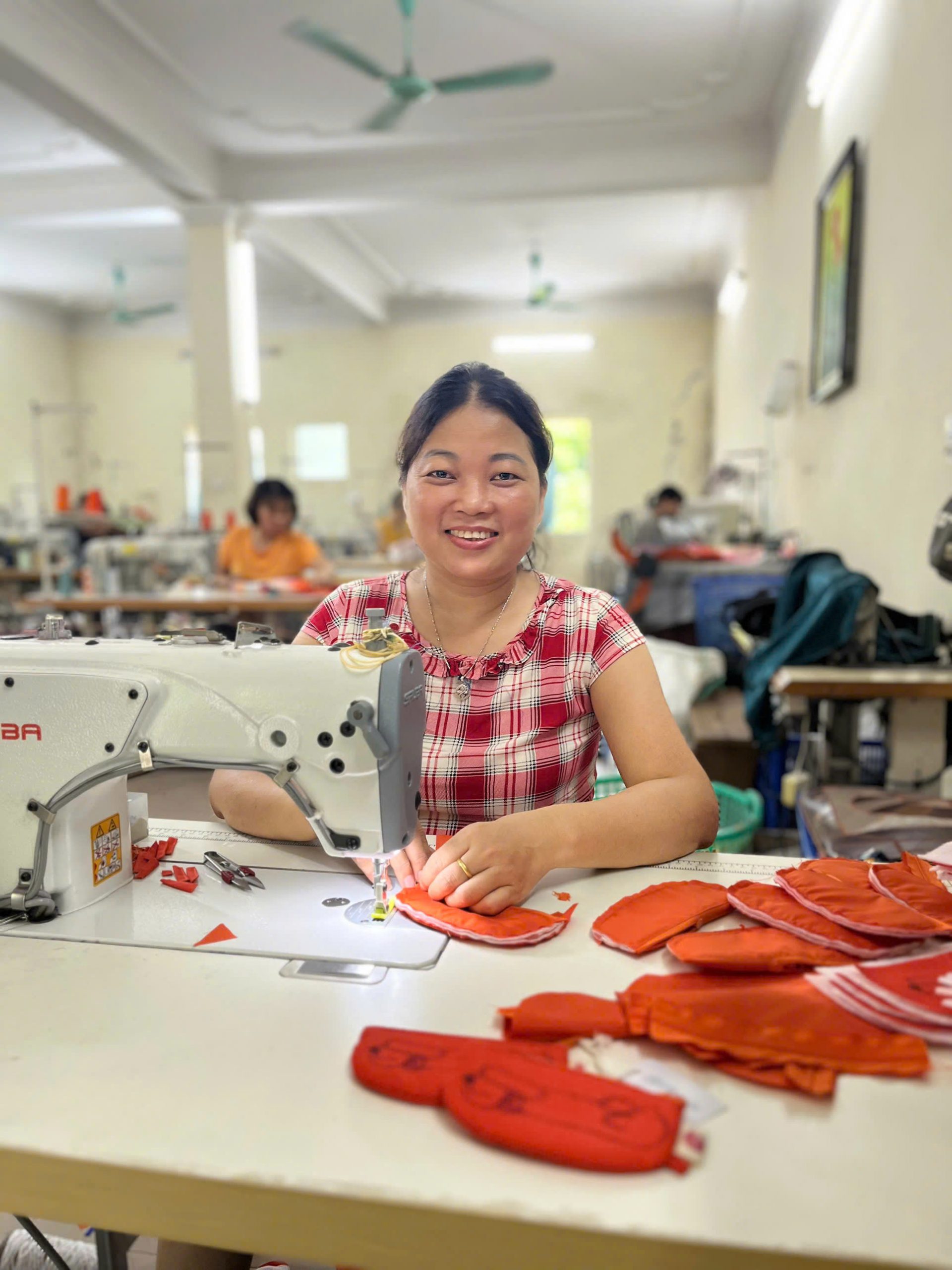
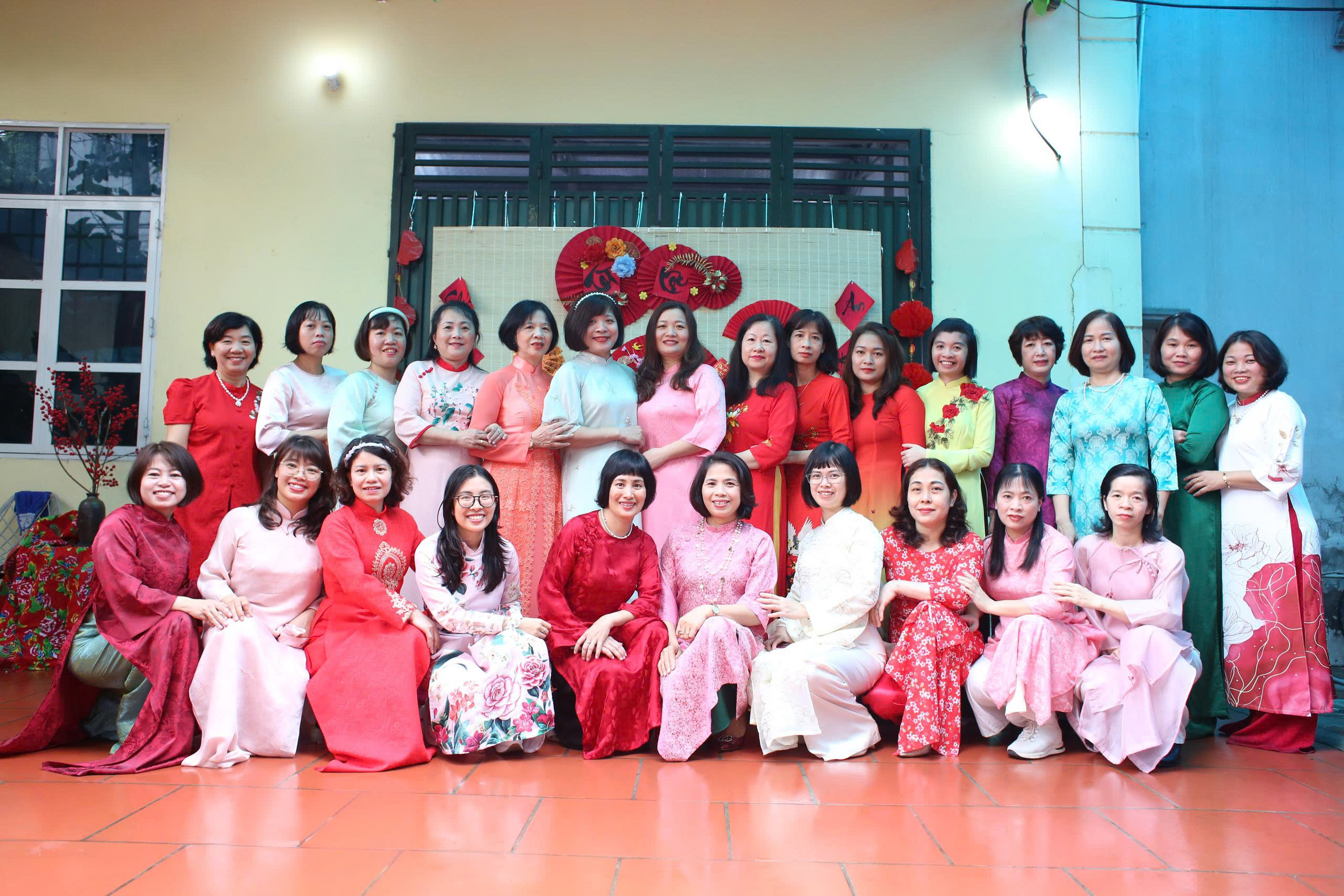
Having grown up around the factory, many employees have watched me grow up, just as I have witnessed different chapters of their lives. Most of them come from disadvantaged backgrounds, facing financial, physical, or mental hardship. As I heard their stories, I began to understand the true legacy my parents had built. Beyond providing stable employment, they have created an environment where people gain confidence, independence and life purpose.
One case that profoundly shaped my worldview was Ha, a woman with an intellectual disability from a single-mother household. Initially, she struggled to complete even the simplest task: stringing garment tags. She could spend an entire day working on a single tag, often losing focus, getting upset easily and struggling to coordinate her hands properly. I was confused by how someone who initially seemed unable to complete such a simple task could eventually improve so dramatically. I could not yet understand what kind of support could help her change, but the team did not give up on her. They patiently repeated instructions, allowed her to learn at her own pace, and continued giving her opportunities to improve.
Over time, with patience and kindness, Ha improved, eventually becoming the fastest worker at stringing tags, and warmly greeting me on every visit. Although she may not be able to actively support others in every task, she can now take on other responsibilities, such as turning products inside out or carrying materials for her colleagues. She has also become less frustrated in her daily life, and her growing independence has made things easier for her mother - she can now even wash herself without assistance. Her transformation showed me the incredible power of meaningful support in unlocking human potential. My contributions to the family business are still incremental, but Ha has given me a value I hope to carry with me long into the future. I want to preserve the belief that my parents have demonstrated through their work, that a business can create value not only through what it produces, but through the people it helps grow.
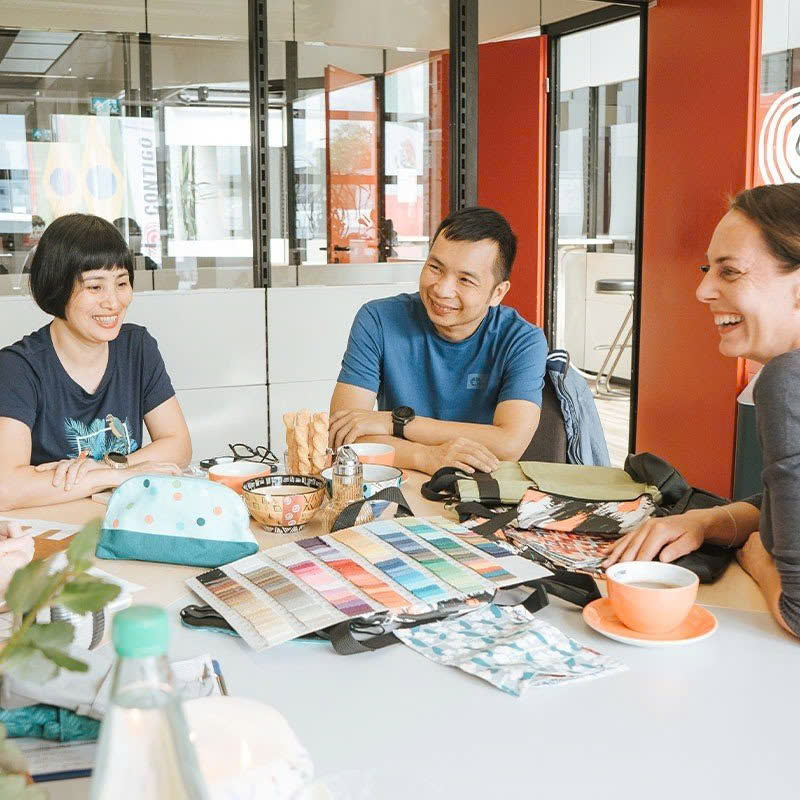
Since secondary school, I have immersed myself in every manufacturing stage - from material sourcing to quality control and packaging. Experiencing each step firsthand taught me that the value of craftsmanship lies in patience, precision, and care in every detail, shaping how I approached innovation. I knew I had to respect a system refined over more than 20 years while exploring new ideas. Fortunately, our team welcomed change with an open mind. From digital tools, new materials and product designs to shared Google Sheets for real-time updates, every improvement became a collaborative effort shaped by everyone's feedback.
Working in the family business also allowed me to have time flexibility and stay connected with social networks. One memorable example came from a friend in the RMIT Neo Culture Tech, who inspired me to design a plush keychain based on the school mascot. It reminded me that a “lightbulb” moment often emerges from unexpected conversations. While my contributions have so far been incremental, I hope to continue building a business that empowers our people through skill development and long-term growth
Having grown up around the factory, many employees have watched me grow up, just as I have witnessed different chapters of their lives. Most of them come from disadvantaged backgrounds, facing financial, physical, or mental hardship. As I heard their stories, I began to understand the true legacy my parents had built. Beyond providing stable employment, they have created an environment where people gain confidence, independence and life purpose.
One case that profoundly shaped my worldview was Ha, a woman with an intellectual disability from a single-mother household. Initially, she struggled to complete even the simplest task: stringing garment tags. She could spend an entire day working on a single tag, often losing focus, getting upset easily and struggling to coordinate her hands properly. I was confused by how someone who initially seemed unable to complete such a simple task could eventually improve so dramatically. I could not yet understand what kind of support could help her change, but the team did not give up on her. They patiently repeated instructions, allowed her to learn at her own pace, and continued giving her opportunities to improve.
Over time, with patience and kindness, Ha improved, eventually becoming the fastest worker at stringing tags, and warmly greeting me on every visit. Although she may not be able to actively support others in every task, she can now take on other responsibilities, such as turning products inside out or carrying materials for her colleagues. She has also become less frustrated in her daily life, and her growing independence has made things easier for her mother - she can now even wash herself without assistance. Her transformation showed me the incredible power of meaningful support in unlocking human potential. My contributions to the family business are still incremental, but Ha has given me a value I hope to carry with me long into the future. I want to preserve the belief that my parents have demonstrated through their work, that a business can create value not only through what it produces, but through the people it helps grow.
Since secondary school, I have immersed myself in every manufacturing stage - from material sourcing to quality control and packaging. Experiencing each step firsthand taught me that the value of craftsmanship lies in patience, precision, and care in every detail, shaping how I approached innovation. I knew I had to respect a system refined over more than 20 years while exploring new ideas. Fortunately, our team welcomed change with an open mind. From digital tools, new materials and product designs to shared Google Sheets for real-time updates, every improvement became a collaborative effort shaped by everyone's feedback.
Working in the family business also allowed me to have time flexibility and stay connected with social networks. One memorable example came from a friend in the RMIT Neo Culture Tech, who inspired me to design a plush keychain based on the school mascot. It reminded me that a “lightbulb” moment often emerges from unexpected conversations. While my contributions have so far been incremental, I hope to continue building a business that empowers our people through skill development and long-term growth
